The most interesting stops between Cairo and Aswan are Giza, Minya, Luxor, Edfu, Kom Ombo, and Aswan itself. Most travelers don’t drive the full route stop by stop — they fly or cruise between the key destinations, focusing on Luxor and Aswan, since these two cities hold the majority of Egypt’s most significant ancient sites. Below is a detailed, stop-by-stop look at what makes each place worth visiting, how long to spend there, and how travelers typically fit them into a single journey.
Giza (Cairo)
Giza is technically part of greater Cairo, and it’s where nearly every Egypt itinerary begins. The Great Pyramids of Khufu, Khafre, and Menkaure have stood for over 4,500 years, and the Great Sphinx sits nearby, half-buried in desert sand for centuries before excavation. Beyond the pyramids themselves, the Solar Boat Museum and the panoramic desert viewpoints make Giza worth a half to full day before heading south.
Time to spend: A half day is enough to see the main pyramids and Sphinx, though a full day allows for a more relaxed pace, including the Egyptian Museum in central Cairo.
Minya
Known as “the Bride of Upper Egypt,” Minya sits roughly midway between Cairo and Luxor, along the Nile. It’s home to the rock-cut tombs of Beni Hassan, carved into limestone cliffs by regional governors more than 3,000 years ago, and to the ruins of Amarna, the short-lived capital built by the pharaoh Akhenaten during Egypt’s brief experiment with monotheistic worship of the sun disc, Aten.
Minya sees far fewer international visitors than Luxor or Aswan, which appeals to travelers looking for a quieter, more contemplative side of ancient Egypt. It isn’t part of most standard cruise or tour itineraries, so visiting typically requires a private arrangement rather than a group tour.
Time to spend: A single day is generally sufficient to see Beni Hassan and Amarna together.
Sohag and Qena
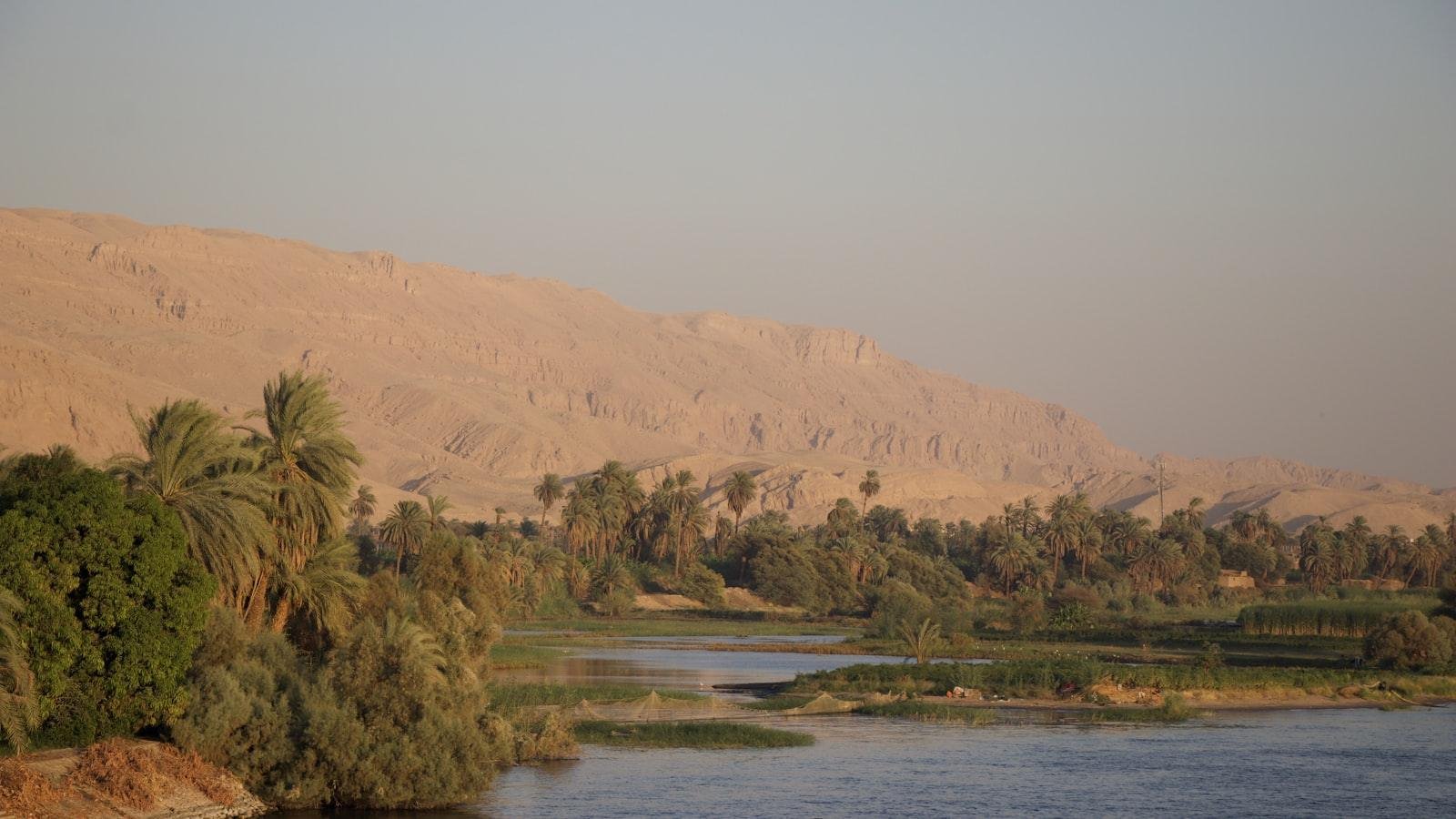
These agricultural cities are passed along the route by train, road, or river, marking the gradual transition from Cairo’s density into the palm groves, sugarcane fields, and open desert landscapes of Upper Egypt. Neither is a typical tourist stop, but travelers making the overland or rail journey will pass through or near both, and they offer a glimpse of everyday rural Egyptian life rarely seen from a plane window.
Time to spend: Most travelers pass through without stopping, as part of a longer rail or road journey.
Luxor
Luxor is frequently called the world’s largest open-air museum, and for good reason — it holds one of the highest concentrations of ancient monuments anywhere on earth. Most Cairo-to-Aswan journeys treat Luxor as an essential stop rather than an optional detour.
- Karnak Temple is a sprawling complex built and expanded over roughly 2,000 years, with its Hypostyle Hall of 134 massive columns standing among the most striking spaces in Egyptian architecture.
- Luxor Temple, closer to the modern city center, is smaller in scale but especially atmospheric when illuminated after dark.
- The Valley of the Kings, on the west bank, holds the tombs of New Kingdom pharaohs, including the famously intact tomb of Tutankhamun, discovered in 1922.
- The Temple of Hatshepsut rises in terraces against dramatic cliffs, built for one of ancient Egypt’s few female pharaohs.
Time to spend: Two to three days allows time to see both the east bank temples and the west bank tombs without rushing.
Edfu
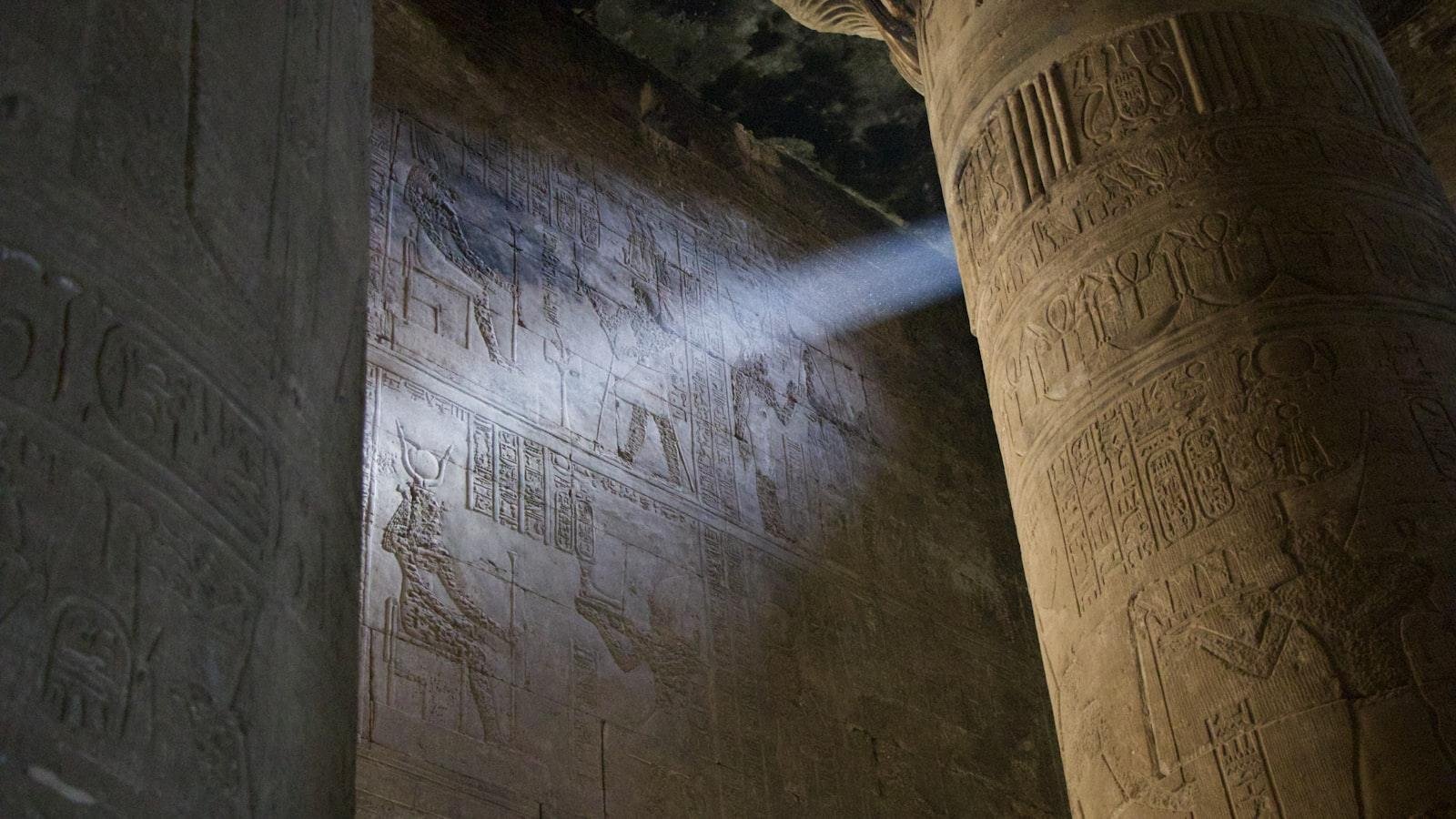
Between Luxor and Aswan, Edfu holds the Temple of Horus, widely regarded as one of the best-preserved temples in Egypt. Centuries buried under desert sand protected its carvings and structure far better than temples left exposed, and today its walls contain some of the most complete surviving religious texts from ancient Egypt. Edfu is a common and easy stop for river cruises sailing between Luxor and Aswan, usually reached by a short excursion from the boat.
Time to spend: Two to three hours is typical, usually as a half-day excursion combined with travel time.
Kom Ombo
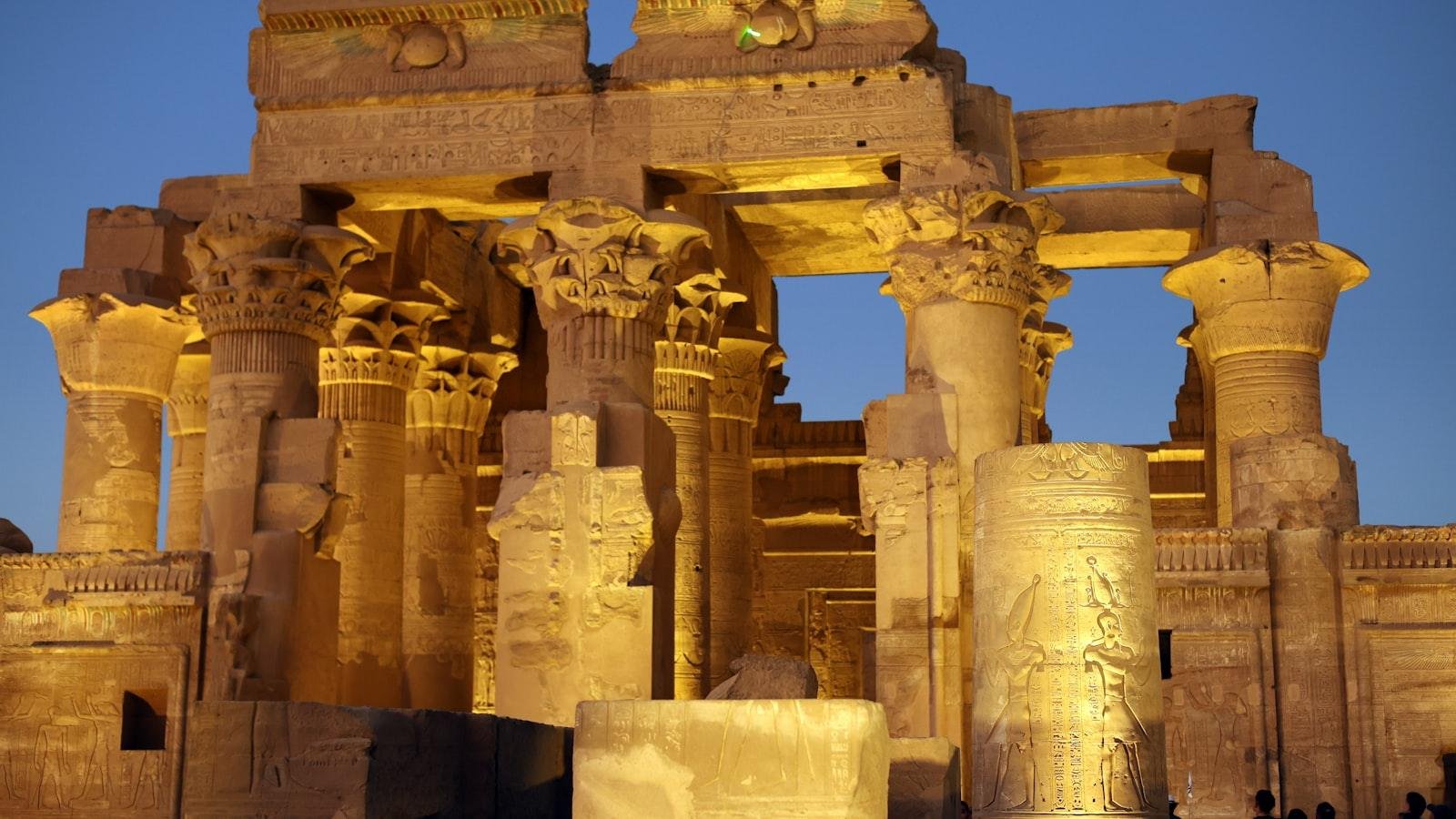
Just north of Aswan, Kom Ombo is known for its unusual double temple, built with perfectly mirrored halls dedicated to two different gods: Sobek, the crocodile god, and Horus, the falcon god. A small museum beside the temple displays mummified crocodiles found at the site, reflecting the ancient reverence for Sobek in this region. Kom Ombo is typically visited as a short riverside stop along the Luxor-to-Aswan route.
Time to spend: One to two hours is generally enough for the temple and adjoining museum.
Aswan
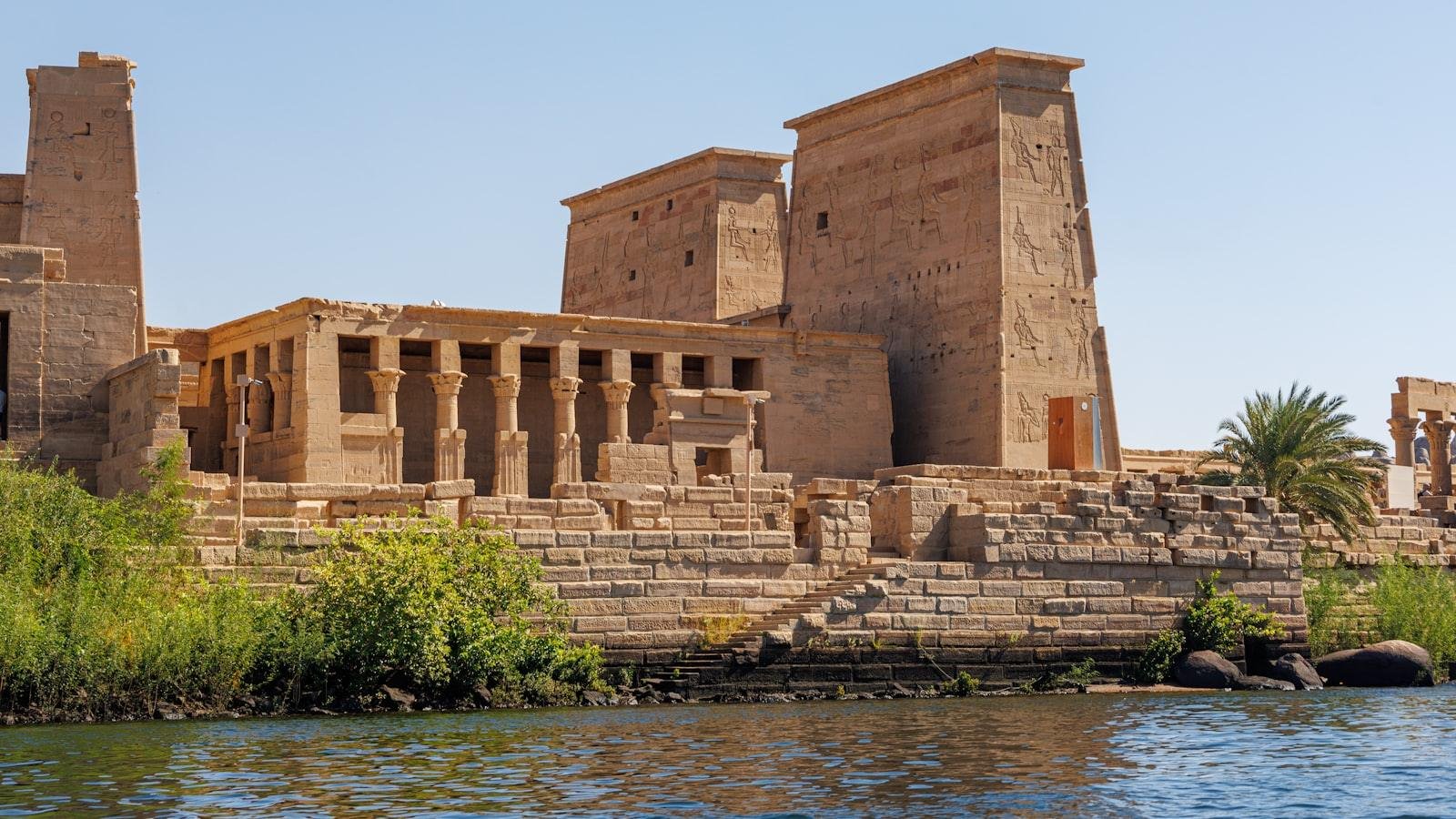
For many travelers, Aswan is the highlight of the entire journey — calmer, greener along the riverbanks, and shaped as much by Nubian culture as by Pharaonic history.
- Philae Temple, dedicated to the goddess Isis, was relocated piece by piece to a nearby island to save it from rising waters after the Aswan dams were built — one of the most significant preservation projects in modern archaeology.
- The Unfinished Obelisk still lies in its ancient granite quarry, cracked before completion, offering rare insight into how ancient Egyptians extracted stone for temples and monuments nationwide.
- Nubian villages, with their brightly painted homes and distinct traditions, offer a cultural experience unlike anywhere else in Egypt.
- Abu Simbel, roughly three hours from Aswan by road, is usually visited as a full-day trip and remains one of the most awe-inspiring sites in the country, with its colossal seated statues of Ramesses II carved directly into a mountainside.
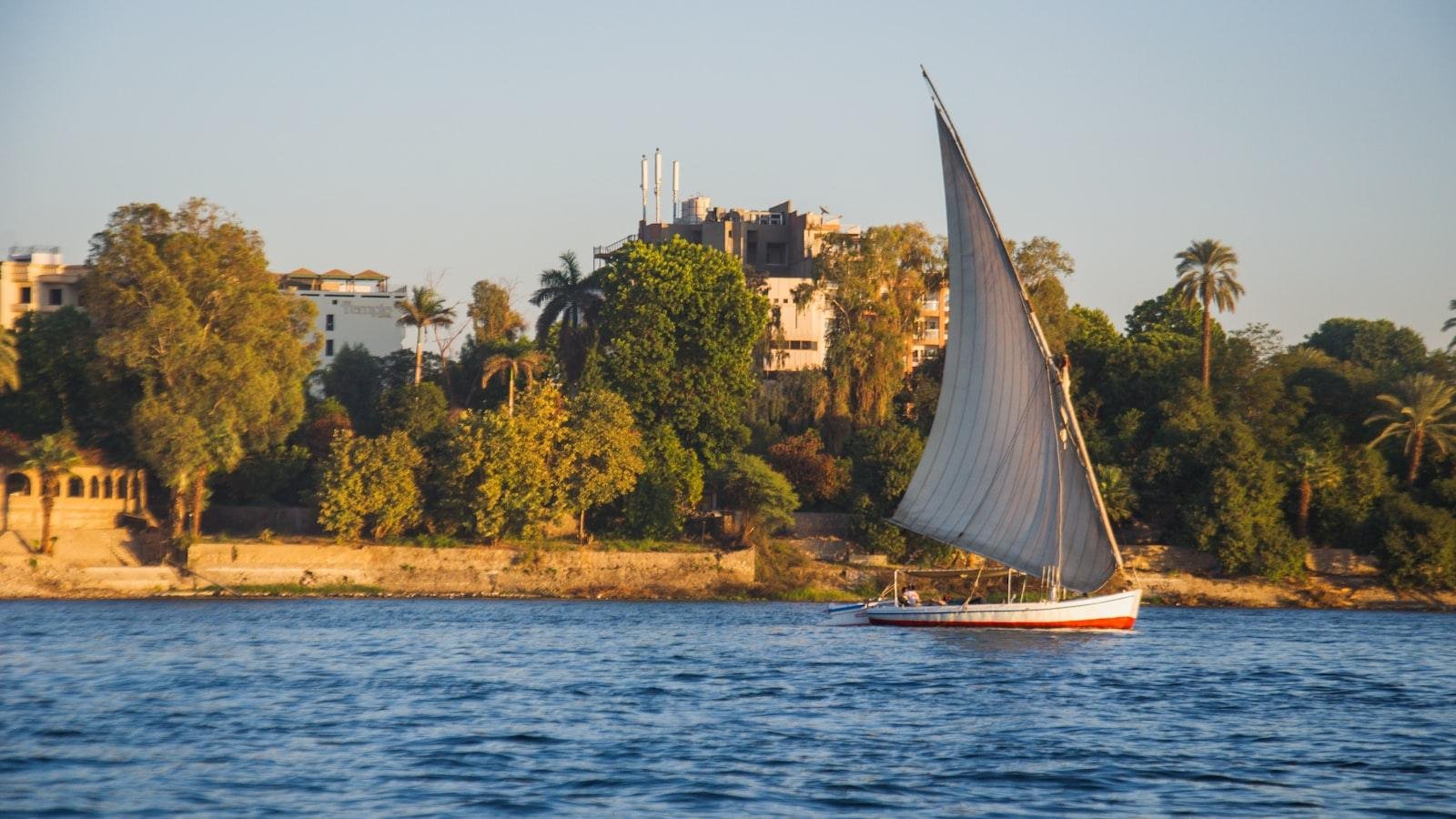
Time to spend: Two to three days allows time for Philae, the Nubian villages, felucca sailing, and a full-day Abu Simbel excursion.
How Travelers Usually See These Sites
Rather than driving the entire Cairo-to-Aswan route stop by stop, most travelers combine a flight or train to Luxor with a Nile cruise from Luxor to Aswan, which naturally passes both Edfu and Kom Ombo along the way. This approach covers nearly every major site on this list without long days spent on the road. A smaller number of travelers, particularly those interested in less-visited places like Minya, choose a private car for a more flexible, stop-by-stop journey instead.
Best Time of Year to See These Sites
Cooler months generally offer more comfortable conditions for exploring open-air sites like Karnak, Philae, and the Valley of the Kings, where much of the visit takes place outdoors and on foot. Summer months bring intense heat, particularly in the early afternoon, which can make extended outdoor sightseeing more tiring. Weather and seasonal conditions can shift from year to year, so it’s worth checking closer to your travel dates rather than relying on general assumptions, especially if traveling during major holiday periods when sites and cruises tend to be busier.
Suggested Route for First-Time Visitors
- Cairo/Giza — Pyramids, Sphinx, Egyptian Museum (1–2 days)
- Luxor — Karnak, Luxor Temple, Valley of the Kings (2–3 days)
- Nile Cruise (Luxor to Aswan) — Edfu and Kom Ombo along the way (3–4 days)
- Aswan — Philae Temple, Nubian villages, Abu Simbel day trip (2–3 days)
Frequently Asked Questions
What are the best places to visit between Cairo and Aswan?
Luxor and Aswan hold the majority of major sites, with Edfu and Kom Ombo as worthwhile stops between them. Giza, at the start of the route, is essential as well.
Do I need to stop in every city between Cairo and Aswan?
No. Most travelers focus on Cairo, Luxor, and Aswan, since these three cities hold nearly all of the well-known ancient sites. Smaller stops like Sohag and Qena are typically passed through rather than visited.
Is Minya worth visiting?
Minya is worth considering for travelers who want a quieter, less-touristed stop with genuine historical significance, though it isn’t part of most standard tour or cruise itineraries.
What’s the easiest way to see Edfu and Kom Ombo?
A Nile cruise between Luxor and Aswan passes both, making them easy stops without arranging extra transport or excursions separately.
How much total time should I plan for the Cairo-to-Aswan route?
Most well-rounded itineraries covering Cairo, Luxor, and Aswan run 7 to 10 days, allowing enough time at each stop without feeling rushed.
Conclusion
The route from Cairo to Aswan is really a chain of some of Egypt’s most remarkable sites, from the Pyramids at Giza to the temples of Luxor, Edfu, Kom Ombo, and Aswan itself. Most travelers see the best of it by combining a flight or train to Luxor with a Nile cruise south. If you’d like help designing a route that covers the sites that matter most to you, El Sultan Travel can help put together a Cairo-to-Aswan itinerary tailored to your time and interests.
Planning the Cairo to Aswan journey is mostly a question of pace: the sleeper train covers it overnight, EgyptAir does it in 85 minutes, and a cruise stretches the Cairo to Aswan corridor into four unhurried days. Check current rail schedules on the official Egyptian National Railways site before you commit, because the best Cairo to Aswan itineraries mix one fast leg with one slow one — fly south, then float back north.